
In our always-on world, quality sleep often slips to the bottom of the priority list and we only start paying attention to it until we reach the depths of exhaustion. Better sleep isn’t just about getting into bed earlier and hoping for the best (although this is usually my approach). The truth is, your bedroom design can play a powerful role in how well you sleep.
From lighting and noise to temperature, colour, and texture; every design choice in your bedroom either stimulates your brain or helps it switch off. By making a few intentional changes you can create a calm, restorative space that genuinely supports deeper, more consistent rest.
As someone whose sleep health is probably below average, I’m actively looking at ways I can be better at going to bed and making a few design-focused changes to help create the perfect sleep-friendly atmosphere. It can only help, right?
Noise, Light, and Temperature
Before going straight into buying loads of new furniture or bedding, I’m going to start with the basics: light, sound, and temperature because small environmental factors like these can have a direct impact on sleep quality.
Set the Right Temperature
Temperature plays a surprisingly big role in sleep quality. Experts generally recommend keeping your bedroom cool, ideally around 16–18°C, to support deeper, uninterrupted sleep.
I’ve taken to making sure that I’ve popped my electric blanket on during the super cold nights just to warm the bed before I get in so it’s already super cosy. There’s nothing worse than getting into a cold bed – the shock of the cold alone would keep me awake a bit longer.
Some people also find inspiration in feng shui bedroom principles, such as positioning the bed so you can see the door without being directly in line with it, which can create a subtle sense of safety and relaxation.
Sleep better with better lighting
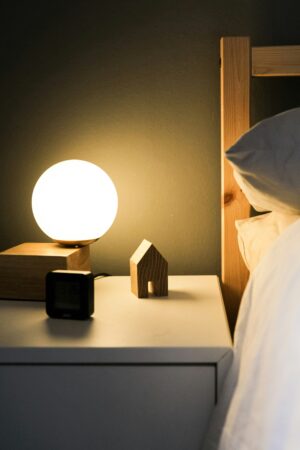
My bedside lamp flickers so I need to change the bulb and make sure the setting isn’t too high (it’s one of those touch, multi level of light dimmable ones).
Unwanted light from streetlights, passing cars, an early sunrise, or even next door’s motion-sensor floodlight can interrupt your body’s natural sleep cycle, or even stop you from getting to sleep altogether.
Because light disruption is such a common sleep issue, investing in high-quality curtains or blinds is one of the most effective bedroom upgrades you can make for better rest. We’ve made sure to have blackout curtains in front of the shutters we have installed on the windows. They do help to block glare and light and create a darker, cosier environment.
Having said that, they aren’t fool-proof or light proof! For maximum flexibility, especially in summer, consider layering blinds under curtains so you can adjust light levels throughout the day and night.
Reduce Noise Naturally
Noise disturbances can prevent deep sleep, even if you don’t fully wake up. Things like someone getting up in the night to go to the loo can rouse you from deep sleep, especially if you’re like me and always hope it isn’t one of the kids having some kind of sickness episode in the middle of the night!
Luckily the boys are in bed before we are, so there’s not much to control in terms of noise levels when we actually get into bed. Winner.
If you’ve got someone who’s particularly heavy footed then carpets in the bedroom, or a rug laid down across a high traffic area can help soften those footsteps. One of the first things we did when we moved into this house was replace all the upstairs laminate flooring with carpet!
Other soft furnishings such as cushions, upholstered headboards, and thicker bedding can help absorb sound and reduce echo, making your bedroom feel quieter and more peaceful.
Replace Late-Night Scrolling with a Calming Wind-Down Routine
Your evening routine acts as a powerful cue for your body. A consistent wind-down routine tells your nervous system that it’s time to slow down. We always went by this when the boys were younger; TV sound down, lights down low, hushed voices and a general sense of calm so they knew it was coming up to bed time.
Things have changed a little since then and I know I’ll often have done all the settling stuff but then catch myself scrolling social media kidding myself that I’m ‘winding down’ or ‘making my eyes tired’. While that might feel relaxing, the blue light from phones and tablets actually keeps your brain in alert mode.
Some people have had success with putting any kind of device in another room and replacing it with slower, more calming activities. While I’m one to always have my phone nearby ‘just in case’ someone calls me for something, I’m making good use of the ‘sleep’ or ‘do not disturb’ mode and replacing the time I would spend scrolling either reading a physical book or doing a puzzle book instead.

You might decide to try something like gentle stretching or a little pre-bedtime yoga, journalling, or sinking into a relaxing bath with some whale music playing.
To further strengthen your sleep health, lots has to be said for going to bed and waking up at the same time each day (yes, even on the weekends to ensure your sleep rhythm and pattern is consistent) as this too can improve overall sleep quality. Side note; I will never be the person setting my alarm for a 5am wake up every day if I don’t have to.
Update Your Bedroom with Soothing Colours and Textures
Small design updates can make a big difference in how restful your bedroom feels.
Choose Calming Colours
Soft, muted tones reduce visual noise and help your mind relax. Calming blues, warm neutrals, soft greys, and earthy shades are ideal choices for bedroom walls and bedding. We went for an earthy ‘Brassica’ purple twinned with a neutral colour for our room and I love it!
Prioritise Breathable Bedding Fabrics
Comfort matters. Natural, breathable materials such as linen, cotton, or bamboo bedding help regulate body temperature and prevent overheating during the night. Our bedding is a little old now and I’m actively looking for something that fits with what I want, but also in a suitable material. I’m not a fan of the ‘teddy’ bedding and I don’t want anything with super ruched detailing or frills – seriously, how can people sleep with that?

Create a Bedroom That Truly Restores You
A restful bedroom doesn’t happen by accident. It’s often a result of thoughtful, intentional design choices and ultimately whatever helps bring you calm. By doing all of the above things like reducing light and noise, regulating temperature, choosing calming colours and textures, and building a predictable evening routine, you create the conditions your mind and body need to fully unwind. Anything else on top of that is an extra added bonus.
Better sleep starts with better design so make sure to take the time to shape a bedroom that restores you, night after night.
Seasonal Bedroom Design Tweaks to Sleep Better
Just to end this piece by saying that even the best designed bedroom needs adjusting throughout the year. Seasonal changes in light and temperature can disrupt sleep if you don’t adapt your space.
Summer Bedroom Tips
Longer daylight hours and warmer nights can make sleep more challenging so a ‘summertime’ bedroom will look different to your winter one. Strengthen light control with blackout curtains, switch to lighter bedding, and keep windows and blinds closed during the hottest parts of the day to prevent heat build-up.
Winter Bedroom Tips
In colder months, briefly opening a window before bed can release stale air and refresh the room. This simple habit improves air quality and helps create an environment that feels clean, cool, and conducive to sleep.
What do you do to ensure you sleep better?