
Acid erosion, enamel erosion, acid wear or erosive tooth wear. Whatever you choose to call it, it’s becoming a growing concern and is fast becoming one of the next big threats to the long term health of our teeth. Acid wear is the wearing away of the protective enamel of the teeth which is usually caused by the frequent consumption of food and drink which contain high acid levels.
World Oral Health Day was on the 20th March but I still wanted to get a few statistics out there as so few people have heard of it despite it becoming a real challenge to control in the 21st century. But it’s not just fizzy drinks and sweets that are causing the damage, some of the culprits may even surprise you!
There has been recent ground-breaking research that has revealed our acid rich diets are one of the main contributing factors of tooth wear. With 1 in 3 young adults (18-35 year olds) showing signs of acid wear, it is especially important for us to start educating our children about the damage it can cause, and how they can prevent it. So what should we be avoiding? As I just said, fizzy drinks are the obvious ones but orange squash, apple juice and pineapple juice are also contributors to acid wear as well as strawberry jam and grapefruit!
There are others that aren’t quite so bad, but still have a relatively high acid level; carrot juice, tomatoes, honey, seedless raisins, pears and even natural yoghurt! Some of these even surprised me, especially as 30% of parents who were surveyed by Pronamel said they give their children fruit as a snack, 27% said biscuits and only 3% give vegetables.
And there are, of course, those foods with low acid levels which would be preferable to eat and drink over any of the above. These include milk, bananas, cheese, eggs, water and carrot sticks. It is absolutely paramount that we protect their, and our, enamel as once it’s gone, it’s gone for good. Recent research suggests that acid wear is a growing concern for UK dentists, with 84% seeing acid wear in adults on a weekly basis.
Lots of people don’t know this but childrens’ enamel is actually 50% thinner than an adult’s, and with permanent teeth coming through between ages 6-13, their adult teeth, along with their milk teeth, are also left open to the attack from the acids.
Pronamel are taking steps to help provide specialist care, since only 21% of us think our children need it, yet 46% of parents surveyed said they buy specialist oral health products for themselves or their partners. So what can we do to help prevent, since there is no cure? Professor David Bartlett shares his top tips for protecting your child’s enamel.
- Limit the number of times your child has acidic foods/drinks during the day
- Avoid brushing after eating or drinking acidic foods
- Have a small amount of cheese or swill water after each meal (ooh yummy, any excuse to have cheese!)
- Use a glass and straw and finish the drink quickly
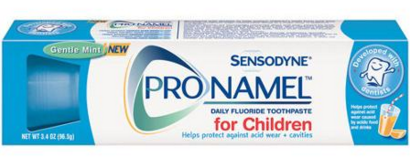
- Brush teeth twice a day with an optimised fluoride toothpaste like Pronamel for Children to help strengthen and harden any acid-softened tooth enamel
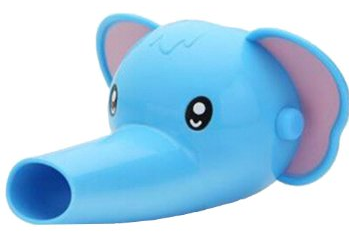
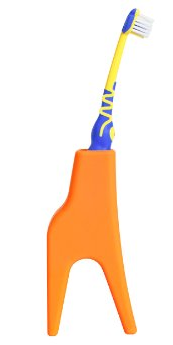
We’ve been encouraging Toby to use this toothpaste as his diet is quite acid rich, not necessarily out of choice, but because he’s become such a fussy eater. Luckily, he does like cheese! Pronamel were kind enough to send us a toothbrush holder, and a rather colourful tap extender to make brushing teeth fun, because let’s be honest, it can be a bit of a chore, even if it’s only twice a day for 2 minutes.
As Toby and Teddy get older and understand the reasons for brushing their teeth, I’d love to do a sticker chart to help keep them on track with their twice a day. At the moment, it’s a struggle to brush them once as I have arms all over the place and their heads going from side to side, or they just manage to suck the toothpaste off before I can get it on their teeth!
I genuinely think, as a parent, that the more informed you are about anything that could have a detrimental effect on any aspect of your child’s health, then the better off you and they will be.