
A silent yet strong transformation is occurring in interior design. In modern houses, a trend is towards a casual and more comfortable and emotionally responsive environment. This trend is referred to as soft living – a design process that emphasises convenience, warmth and a feeling of ease in the daily settings.
Soft living is not a mere fad; it shows more fundamental shifts in the perception of homes by people. This post examines the concept of soft living in modern homes, its features, advantages, and how it can be integrated into modern homes in practice. It’s easy to see why this trend is becoming more popular, especially with those of us who are looking for calm in a house after a long day. After all, your home is where you should feel most at ease, comfortable and relaxed.
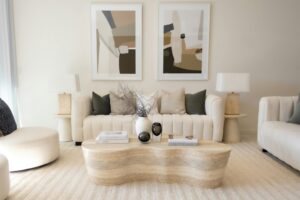
What Is Soft Living?
Soft living is an interior design philosophy that emphasises:
● Comfort-first design
● Gentle, calming aesthetics
● Textiles and textural tactiles
● Casual and convenient designs
● Emotional wellbeing
At the initial stage of this change, most house owners would start by reconsidering the way they are set up in the bedroom – adding such things as a padded bed, which immediately transforms the appearance of a room and also adds comfort. It is a mere variation of the philosophy of soft living: a visual cosiness and physical comfort.
Why Soft Living Is Gaining Popularity?
There are recent various cultural and lifestyle changes which have led to soft living.
1. Increased Focus On Wellbeing
Well-being is supported through soft living by reducing visual noise, creating calming atmospheres, promoting mindful and slower living and supporting emotional balance.
2. More Time Spent At Home
As remote working and new lifestyles emerge, individuals are spending more time at home than they did before.
Homes now serve as workspaces, relaxation areas, social environments and personal retreats Soft living means that these functions are in harmony and do not overcrowd the space.
3. Shift Away From Harsh Minimalism
Minimalism is evolving. Although the value of clean spaces remains, more welcoming and warmer interiors are being introduced to replace overly harsh ones. Modern preferences include soft minimalism, layered textures, warm colour palettes and comfortable furniture. This brings about a balance between comfort and simplicity.
4. Desire for Comfort-First Design
People are prioritising ergonomic furniture, soft materials and relaxed layouts. This is an indication of a wider change to interiors that promote living.

Key Characteristics Of Soft Living
1. Gentle and Organic Shapes
Examples include curved sofas, rounded coffee tables, arched mirrors and soft-edged furniture. The benefits of these characteristics include an overall more fluid image, reduces harshness in the room and appears more natural and relaxing.
2. Warm and Muted Colour Palettes
Colour is key in establishing softness. Popular tones have been warm whites, beige and cream, soft greys, dusty pinks, sage green and earthy neutrals.
3. Layered Textures
Interiors are made more interesting and comfortable with texture. Common materials such as linen, cotton, wool, velvet, boucle and natural wood are being layered with cushions and throws, soft rugs, upholstered furniture and fabric curtains. Not only can this add warm to the the space, it makes it more inviting and eliminates any ‘flat’ areas in the interior. Small layered pieces can really make all the difference.
4. Soft Lighting
Key features in this aspect includes warm light tones, diffused lighting, multiple light sources and indirect illumination. Think about using table lamps and floor lamps as well as wall sconces and LED strip lighting. Lots of these don’t even require being wired in these days with battery powered options available.
5. Comfortable and Functional Furniture
Soft living furniture is more usable. Deep seating, plush cushioning, upholstered finishes and rounded edges only add to the comforting look. In bedrooms, items such as a padded bed can create a hugely different dynamic to create a unified soft environment, strengthening the feeling of rest and peace. What more could you want from your bedroom?
Soft Living Across Different Areas Of The Home
1. Living Room
The home is often centred around the living room. Key elements in this room would be a nice, comfortable sofa with layered cushions, soft rugs and warm lighting. The goal is too establish a friendly environment, encourage relaxation and support social interaction. Equally, you want this space to be a small sanctuary where you can curl up and watch TV on your own. A nice throw also works beautifully if you decide you want to take a nap!
2. Bedroom
Features in the bedroom would look for plush bedding, soft headboards, minimal clutter and calming colours. This can look different for everyone depending on what they find calming but essentially it should help improve sleep quality, enhance relaxation and reduce stress. I know the bedroom is the first place I head if I need to go somewhere quiet!
3. Kitchen and Dining Area
The kitchen and dining area always benefits from warm lighting, natural materials, comfortable seating and minimal clutter (although try telling that to my kids – the kitchen island is forever full of random stuff!).
4. Home Office
Comfortable existence enhances efficiency in workplaces. With the perfect comfortable seating, warm lighting and a clean and organised layout, productivity can be hugely increased.
Benefits of Soft Living
Aside from how the aesthetic can be particularly pleasing, there are so many more hidden benefits of soft living than you might realise.
1. Physical Benefits
Anything comfortable for you automatically invites the added benefit of improved comfort. Reduced physical strain, better sleep quality and enhanced relaxation are all par for the course when things are cosy, forgiving and allow your body to really soften up too.
2. Emotional Benefits
If everything is calm, cosy and tidy (especially for me, anyway) I find that my stress levels are massively reduced. Tidy house, tidy mind. I’m much more calm, not fretting about all the housework, and in turn that means I tend to be in a better mood and it improves my overall emotional wellbeing.
3. Practical Benefits
I’ve found that by introducing soft living in some areas of my home that the spaces have become much more functional. The maintenance of the space is easier and the colour and design work for me. Lots of other people find timeless designs work really well which means they’re better at being adapted as time goes on; whether your tastes change or you just want a change of colour, by swapping a few things out you can really keep the momentum going without paying through the nose.
How To Incorporate Soft Living Into Your Home
A complete redesign is unnecessary to switch to soft living. Like I just said, you don’t want to be paying out more than necessary if you fancy a bit of a change or a freshen up. There are a few easy easy things you can change to bring a new dynamic to the room without compromising the comfort.
1. Start with Textiles
Change out things like cushion covers and throws. You probably don’t need to buy a whole new sofa! These are easily picked up in lots of home sections in the shops. Think about textures and colours and how they might layer with what you already have.
2. Adjust the Lighting
Substitute bright lights with warm lights and maybe add a few more sources of lights. I said earlier there are lots of options that don’t need wiring in and that includes wall sconces and small table lamps. If you’ve got a ‘big’ light, consider changing the lightbulb for a different ambience and, if you really want and are able, you could add a dimmer switch.
3. Introduce Curves
Getting some smaller pieces of new furniture can really help soften a room. Instead of that square set of nest tables, how about choosing something rounded. If you have a few decorative objects, think about the shape of those and potentially opt for round pieces to complement and soften any hard or edgy things you might already have out.
4. Simplify the Space
Remove all necessary items from the area, have a complete declutter. Taking things out of a room that don’t have a place or don’t fit the feel can make all the difference. Any surfaces in the area are typically left to be decorated minimally; a nice vase or a cute photo frame can be more than enough. By focusing on the essentials of keeping an area soft, you’ll find a warm and inviting space every single time.
5. Prioritise Comfort
Easier said than done when you have children, as they’ll just put themselves anywhere! Select furniture that is usable and functional in a family home means it can have dual-purpose. The kids might even cosy up for a nap with you on the sofa (no chance with any of my three these days, though). Comfort testing prior to making a purchase is always a good idea. If you can visit a show room where they have options on display, you can road test before you buy them; a much safer option than choosing something from online.
Furniture, like sofas, can be expensive, but a worthwhile investment. By putting your money into quality items you’ll not only have a sofa you love, but one that will last too, even if the kids do make a fort out of the cushions!

Common Mistakes to Avoid
It’s easy to be taken away with buying lots of soft furnishings but avoid stuffing and filling the space with soft objects. Cushions that overrule any sitting space can be garish and more fuss than they’re worth. Don’t sacrifice the functionality over the aesthetic. Be sensible about how your room will function for you and your family.
Try not to use excessive similar textures by choosing two or three you love and working with them to fit your idea. Keep everything nice and balance. Pick features and colours from any art, decor in the room and try and put it into small pockets to keep the aesthetic flowing.
Soft Living and Sustainability
Sustainable practices are usually consistent with soft living. Choosing to use things like natural materials, recycled and/or durable furniture as well as keeping to a classic design are easy ways to keep it sustainable. Making these choices now can save on waste and promotes long term use of the space
Long-Term Impact of Soft Living
Comfortable existence is something we all appear to be striving for, especially after the pandemic. It allowed us time to really think about what we care about most and how we can enjoy being in our own company and space. Many a house and garden project were undertaken throughout the lockdown periods.
This now plays a huge part in the general quality of peoples’ lives. Those looking for improved mental health, better sleep, reduced stress and enhanced comfort need not look further than the sanctuary of their home these days.
Why Soft Living Is Here To Stay
Soft living is here to stay. It’s grown beyond being a design trend to a lifestyle that’s centred on comfort, well-being and intentional living. It has a lasting appeal that comes from the focus of creating spaces that support your own every day needs while promoting a sense of calm and balance in a room.
Soft living is a human-centric design where homes are, and should be, shaped around how people live, work and relax. With an increasing emphasis on wellness, this has also helped to catapult its popularity. Comfort remains a key priority, reflected in the cosy furnishings, warm lighting and inviting spaces that encourage relaxation.
The rise of remote and hybrid working has turned homes into multifunctional spaces that need to be separated into ‘work’ and ‘home’, which is more important than ever. Soft living helps embrace this way of living by creating adaptable spaces that can interchange easily between function and rest. It also promotes clutter-free living and sustainable choices.
Lastly, sensory comfort through natural textures, soft colours and calming atmospheres is enhanced while bring you an emotional connection to the home. A balance of beauty, practicality and everyday usability ensures it remains relevant. As people continue to prioritise their quality of life, soft living is set to remain a timeless and enduring lifestyle approach.
What do you think about soft living? Is it something you use throughout your home?