
Minnesota weather doesn’t make your roof an easy job. One season brings heavy snow and ice, while the next throws hail, rain, and strong summer heat at the same house. That constant change puts roofing materials under pressure year after year, which is why material choice matters so much in this region.
A roof may look great during installation, but Minnesota winters quickly expose weak spots. Some materials crack under temperature swings, while others trap moisture or struggle with ice dams. Picking the right option early saves money, cuts repair costs, and helps your home stay protected much longer.
Asphalt shingles
Asphalt shingles remain one of the most common roofing choices in Minnesota because they balance price, durability, and availability really well. Most homeowners can find contractors familiar with them, which keeps installation simple and repairs affordable. Newer architectural shingles also look far better than older three-tab versions, so people no longer feel forced to sacrifice appearance just to save money on roofing materials.
Minnesota weather puts roofs through constant freeze-and-thaw cycles, which cause weaker materials to crack or curl over time. According to a specialist from a renowned Minnesota roofing company, asphalt shingles handle these temperature changes reasonably well when installed correctly by contractors. Better brands also include impact-resistant ratings that help during hail season. That matters more than people think because storms in Minnesota regularly damage older roofs that already show signs of wear.
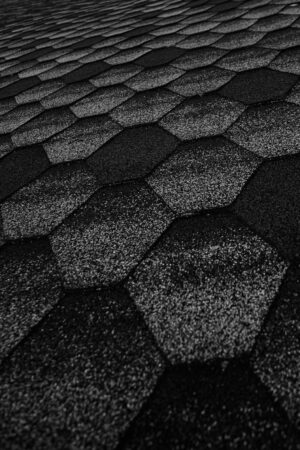
Repairs also remain relatively simple with asphalt shingles, which makes a huge difference after storms. If a section gets damaged by wind or falling branches, roofers can replace individual shingles instead of tearing apart large portions of the roof. Homeowners appreciate that flexibility because emergency roofing costs can rise quickly after major weather events move through an entire neighbourhood at once.
Still, not all asphalt shingles perform equally well in cold climates. Cheap shingles often lose granules faster and become brittle after several harsh winters. Spending slightly more upfront usually gives you stronger wind resistance, longer warranties, and thicker materials that hold up better over time. Many homeowners focus only on installation costs, but long-term durability matters much more once the first severe winter arrives.
Metal roofing
Metal roofing has become much more popular in Minnesota over the last decade, and weather resistance explains a big part of that shift. Snow slides off metal roofs much more easily than it does from traditional shingles, reducing the weight on the roof during winter. Less buildup also lowers the risk of ice dams forming along the roof’s edges.
Cold temperatures and moisture create serious problems for many roofing materials, but metal handles those conditions extremely well. Water does not soak into the material, and properly coated panels resist rust for years. Many homeowners also appreciate how metal roofs handle temperature fluctuations without cracking or warping. That reliability becomes especially valuable after several difficult winters pile up back-to-back.
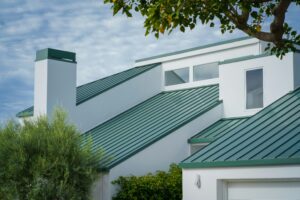
Summer performance surprises a lot of people, too. Metal roofs reflect sunlight rather than trapping heat in the attic, helping homes stay cooler during hot Minnesota afternoons. Air conditioning systems often operate more efficiently because the roof absorbs less heat overall. Utility savings may not seem dramatic at first, but they add up steadily over the roof’s lifetime.
The biggest drawback usually comes down to price because metal roofing costs much more upfront than asphalt shingles. Installation also requires experienced contractors who properly understand flashing, fasteners, and expansion points. A poorly installed metal roof can lead to expensive issues later. Still, many homeowners decide that the longer lifespan and lower maintenance make the investment worthwhile once they compare long-term ownership costs.
Cedar shakes
Cedar shakes give homes a warm, natural appearance that fits well with Minnesota cabins, lake houses, and rustic properties. Many homeowners love the texture and character real wood adds to a roof because synthetic materials rarely create the same look. Cedar also ages naturally over time, which gives older homes a lot of visual charm without making the roof feel outdated.
Wood roofing offers surprisingly good insulation properties, especially during colder months. Cedar contains natural air pockets that help slow heat transfer, so homes often stay more comfortable during harsh winters. That insulation benefit becomes more noticeable in older homes where attic conditions already create heating challenges. A properly maintained cedar roof can help maintain indoor comfort throughout Minnesota’s changing seasons.
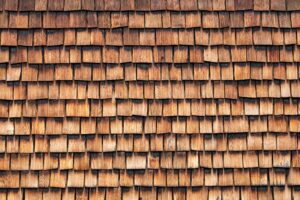
Strong winds also affect cedar less than many people expect because thicker shakes stay firmly attached when contractors install them properly. However, moisture creates the biggest challenge for wood roofing in Minnesota. Snow, rain, and humidity can slowly lead to mold, rot, or moss growth if homeowners neglect maintenance. Regular inspections matter a lot more with cedar than they do with lower-maintenance roofing materials.
Maintenance requirements usually decide whether cedar works well for a homeowner long-term. Some people enjoy caring for natural materials and appreciate how the roof changes over time. Others quickly grow tired of cleaning up debris, replacing damaged shakes, and treating the wood to protect against moisture. Cedar looks beautiful when maintained correctly, but homeowners need realistic expectations before committing to that level of upkeep.
Slate roofing
Slate roofing ranks near the top of the market when it comes to durability and lifespan. A properly installed slate roof can last generations, which explains why many historic buildings still use the original material decades later. Minnesota weather rarely causes serious problems for slate because the material handles cold temperatures, snow, and moisture exceptionally well compared to many common residential roofing options.
Temperature swings damage weaker roofing materials over time, but slate remains remarkably stable through harsh winters and hot summers alike. It does not absorb much moisture, which reduces cracking during freeze-and-thaw cycles. That resistance matters a lot in Minnesota because trapped moisture often causes roofing failures long before homeowners expect major repairs on other roofing systems.
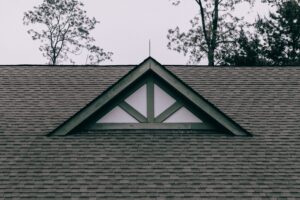
Appearance also plays a huge role in a material’s popularity. Few materials create the same premium look or sense of permanence. Slate gives homes a clean and timeless appearance that immediately stands out in most neighborhoods. Many homeowners choose it partly for durability, but they also appreciate the architectural style it brings. Some roofing materials look temporary. Slate never really gives off that impression.
The biggest challenge comes from weight and installation complexity. Slate roofing requires a strong underlying roof structure, and not every home can support it without reinforcement. Installation costs also remain extremely high because skilled slate roofers are harder to find. Even small repairs require experience. Homeowners who choose slate usually prioritize long-term value over short-term budget savings.
Conclusion
Minnesota weather quickly exposes roofing weaknesses, so choosing the right material matters far more here than in milder climates. Snow, ice, hail, moisture, and temperature swings all push roofs to their limits every year. Homeowners who think beyond upfront costs usually end up with fewer repairs and fewer surprises later.
The best roofing material depends on your budget, maintenance expectations, and long-term plans for the home. Asphalt shingles are affordable, while metal and slate offer stronger long-term performance. Cedar brings natural charm, but it asks for more upkeep in return. The important part comes from choosing a roof built for Minnesota conditions rather than one chosen solely for appearance.