
With winter in full swing, many homeowners will have seen an increase in bills as they try to keep their homes warm – I know we have, despite doing all we can to keep costs down. Whilst newly built homes are built with energy efficiency in mind, some older homes may need upgrading to meet the same standard. We have a bit of a half and half house here; our main house was built in 1919, while our extension was only finished in 2019.
Here are some tips to help you increase the energy efficiency of your home and reduce your bills.
Upgrade to energy-efficient appliances
You probably use multiple appliances at home per day. From kettles to washing machines, there are certain devices which we cannot live without. Most modern appliances are developed with energy efficiency in mind. Upgrading to those with high energy efficiency ratings means they consume less energy, meaning your bills will go down. When you are shopping, keep an eye out for appliances with an A rating to ensure optimal performance.

It’s also worth checking with your energy providers whether they run a cheaper tariff at some points during the day or night.
Improve home insulation
Insulation is an incredibly underrated part of your home. A well-insulated home ensures that a minimal amount of heat escapes through the walls or roof, as well as keeping you cool in the summer. If you think yours may be lacking, book an appointment with a professional for an assessment.
Garages are often cold and draughty places, which can affect the main part of your home, especially if they are connected. One way to combat this is to upgrade your garage door. Opt for an insulated garage door to give you the best protection possible.
Install smart thermometers and heating controls
Smart thermometers allow a greater level of control of the temperature of your home. You can program the system to fit around your schedule. For example, it can automatically turn itself off when you leave for work and heat your home perfectly when you come home.
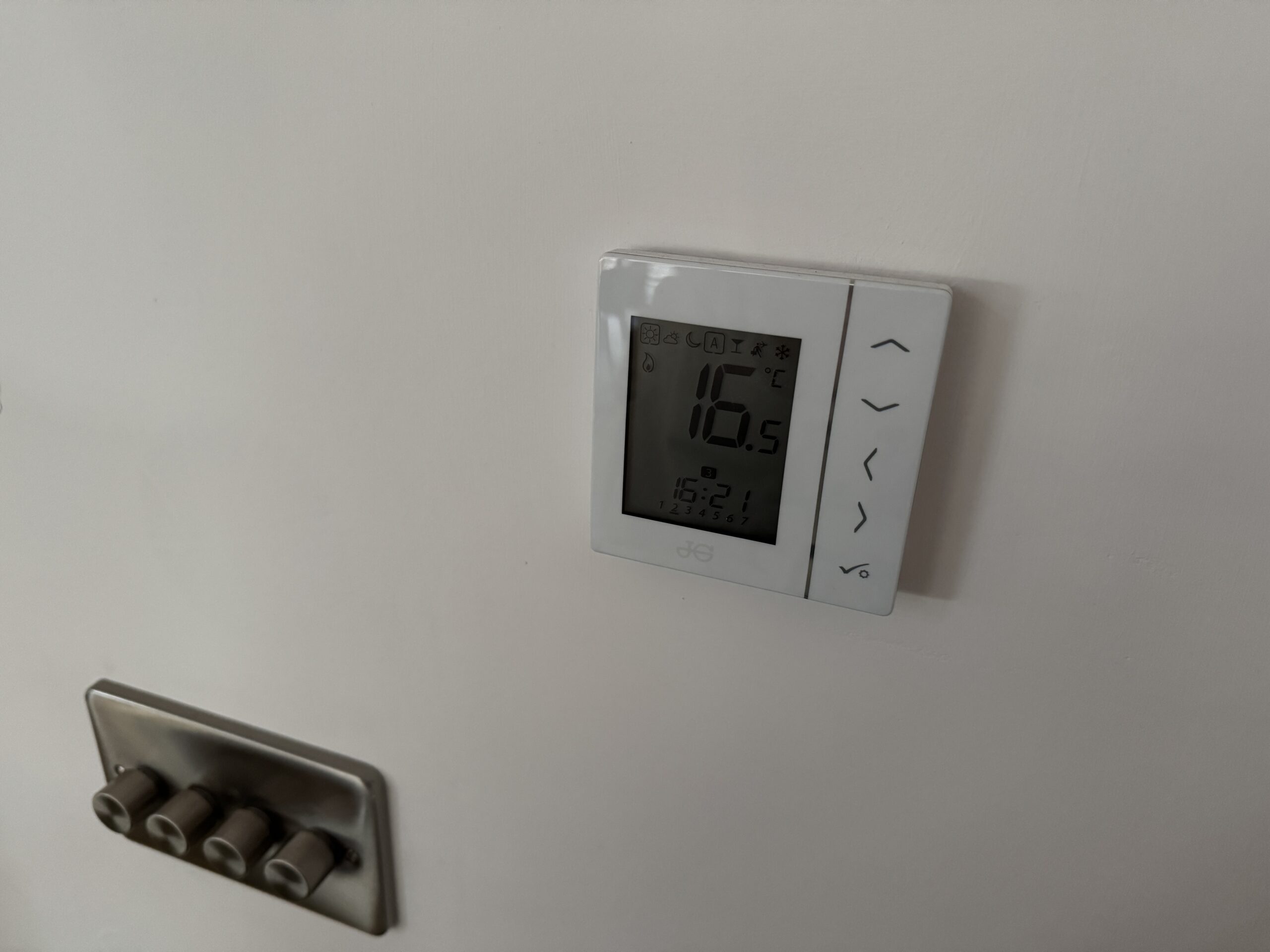
On days when your routine changes, you can control your thermostat from an app on your phone, meaning you can turn it off as you rush out the door. Being able to exert this level of control over the heating means you can precisely define how much is being used and when. By ensuring that the heating is only on when necessary, you can lower your bills whilst still feeling warm and comfortable.
Failing a remote level of control, most thermostats have timers so it never hurts to time the heating manually!
Seal draughts around windows and doors
Trying to relax whilst feeling a cold breeze around your neck or feet is horrible. Draughty windows and doors are often the culprit for this and need to be dealt with. Not only is the cold air getting in, but precious heat can also escape through the small gaps around windows and doors.
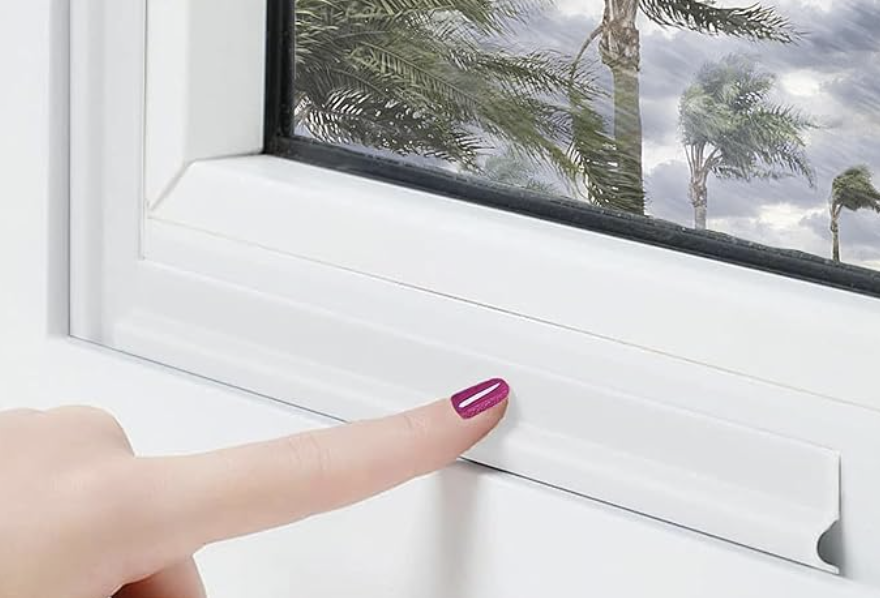
Draught-proofing is one of the cheapest ways to reduce heat loss. You can choose to do it yourself, but you can also employ a professional to do it for you. If you do want to tackle your windows by yourself, self-adhesive foam strips may be the answer,
although they aren’t the most long-lasting solution. These simply stick on and block the gaps.
Doors have a few more components to consider. If the letterbox is the issue, install a letterbox flap or brush to keep the chill at bay. Just remember to measure your letterbox before purchasing anything!