
If you’re heading out for a road trip in the near future, then there are a number of steps you might take to give yourself the best possible chance of a positive experience. After having our first ever road-side tyre blow out, in France no less, these are all the things we did to mitigate any kind of road trip vehicle emergency.
Make Sure Your Vehicle Is Road-Trip Ready
The state of your vehicle matters enormously. If you suffer a breakdown, then your road trip may be ruined. But even if we’re just talking about a marginal drop in fuel efficiency, the result might be additional expense that’s compounded over long distances.
Check the tread depth of your tyres, and make sure that they’re properly inflated.
Check the oil levels, and top them up where appropriate. If you’re going to be driving in very cold weather, you might consider swapping to winter tyres and winter-ready oil. As we were driving up a mountain, we ensured we had snow socks just in case we needed them.
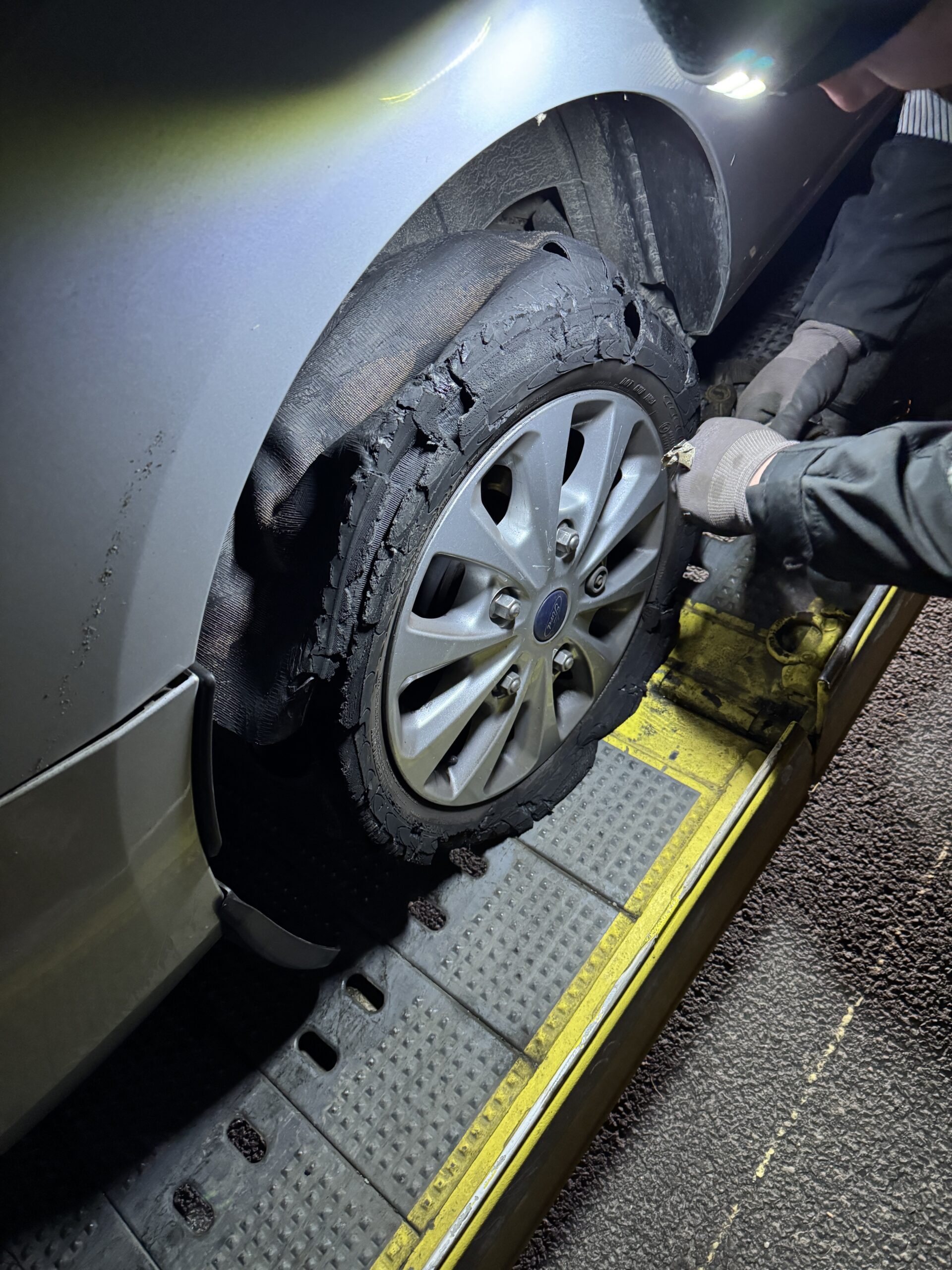
It might be that you need to carry out additional repairs while you’re on the road. To make this easy, you might carry a few essential tools. A spare tyre, a jack, jump leads, and a first-aid kit might all come in handy. If you’re driving overseas, check what else you need to have in the car; a warning triangle and high-vis vests are a requirement in France, for example. Our vehicle, which was hired, had no spare tyre, and we ended up waiting over 7 hours to get sorted! Even if it’s not a full spare tyre, get a run flat!
Plan Your Route and Have Backup Navigation
Before embarking on any long journey, you should have an idea of where you’re going, and how you intend to get there. Make sure that you plan for rest stops along the way, especially if you’re going to be covering hundreds of miles in a single trip like us; even more important if you’re travelling with children.
If you’re travelling to a remote part of the world, then having a paper map (and the skill to read one) might be essential.
In most cases, the right navigation app can be just as useful. We’ve always used Google Maps as it’s always up to date, gives you alternative routes and in general just works best for us.
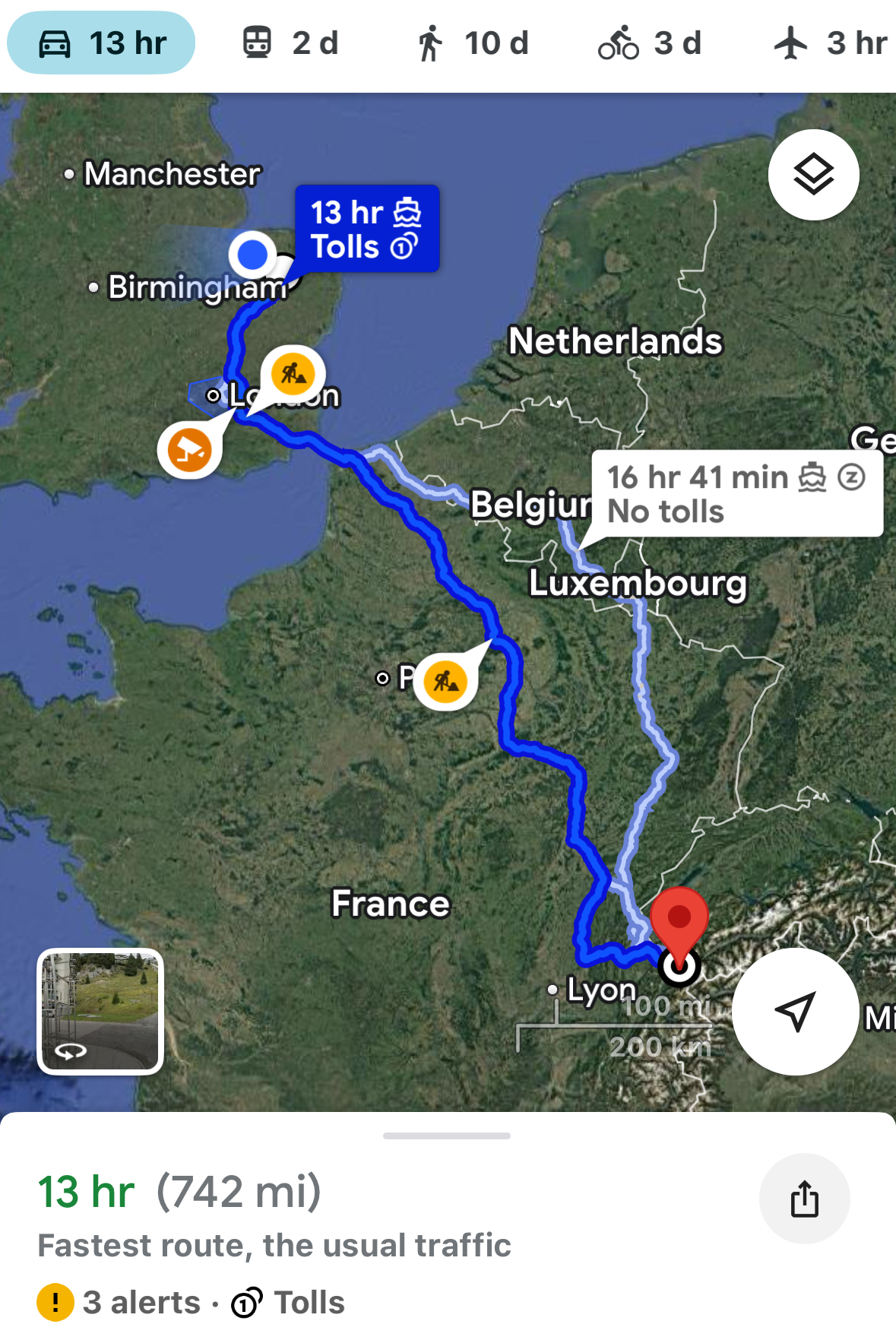
Make sure that you have a charger for your phone, and that you have a passenger to deal with the phone while you’re driving. If you need it for your navigation, make sure you’ve got some kind of holder but if you need to make changes, then you can pull up to the side of the road to avoid being distracted.
Sort Out Legal and Travel Essentials
If you’re going to drive on public roads in the UK, then you’re legally required to have the appropriate level of car insurance. If you’re borrowing a car, or your insurance has lapsed, or you want to share driving duty among your passengers, then temporary car insurance might be a powerful and effective means of getting the right cover.
It’s also worth carrying a number of other documents with you, particularly if you’re going to be crossing borders. Look for your ID, travel insurance, and your insurance and recovery documents. You never know when you might need them. You’ll also need to check if your car needs a Green Card to travel if it’s hired, and breakdown cover for overseas travel will come in handy for a small premium.